Ancient Stones, Afternoon Swim: Four Turkish Sites That Won’t Eat Your Beach Day

Photo by Photo by Hafizul Hafiz on Unsplash on Unsplash
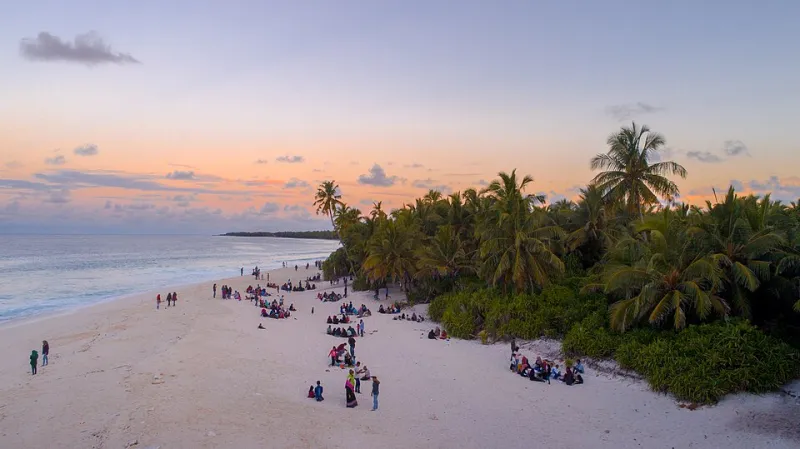
Ancient ruins and beach holidays are usually sold as opposites. One is culture, early starts and sensible shoes; the other is sunbeds, salty hair and a novel you never finish. In Turkey, that split is often nonsense. Some of the country’s most memorable archaeological sites sit within walking or dolmuş distance of the beach. You can see a Roman theatre, a Lycian tomb or a castle full of shipwrecks, then be in the sea before lunch. The trick is choosing the right site, going early and refusing to turn a morning into a marathon.
The golden rule: ruins before 11am
Turkish summer heat is not a joke. On an exposed archaeological site at midday, the stones throw heat back at you and the shade is a rumour. Aim to arrive at opening time, usually around 8:30 or 9am, and give yourself two hours maximum. Carry at least a litre of water per person, wear a hat and use factor 50. If you have children, keep the visit short and bribe them with ice cream afterwards. The late afternoon is the other good window, but morning leaves the rest of the day free for the beach.
Side: theatre, colonnades and a swim next door
Side is the easiest place in Turkey to combine ruins with a beach day because the ancient city is the resort. The Temple of Apollo sits by the harbour, the Roman theatre holds thousands, and the colonnaded street runs through the middle of town. Stay in Side and you can walk to most of it. From Side or Manavgat, take a dolmuş or taxi.
Go at 8:30. See the theatre first, then the colonnaded street and the temple. The theatre and some monuments have a ticket; many of the streets and the temple area are free to wander. Check the current rules at the site or on the official museum website, because 2026 opening hours and ticket arrangements can change. By 10:30 you can be on Side beach or in Kumköy, ordering a late breakfast. Do not climb the ruins, and do not pretend the theatre is a gym.
Bodrum: castle, Mausoleum and a quick dip
Bodrum is not short of ancient stones. The castle of St Peter — now the Museum of Underwater Archaeology — is the big ticket, and it deserves two hours if you have them. The Mausoleum of Halicarnassus, one of the ancient wonders, is smaller than the name suggests but easy to see in half an hour. Myndos Gate and the ancient theatre are free-ish extras if you are staying in town.
If the beach is the main event, choose one big site and one small one. Castle first thing, then a dolmuş to Bitez or Gümbet for the afternoon. If you are staying on the peninsula, pick the site nearest your hotel and do not attempt to cross Bodrum at midday. Tickets for the castle are sold at the entrance; check 2026 hours before you go, as the museum can close rooms without much warning.
Dalyan: Kaunos by boat and İztuzu after
Dalyan is the one that feels like a proper adventure. The Lycian rock tombs stare down at the river, and across the water lies Kaunos, an ancient city with a theatre, baths and a decidedly dramatic setting. Boats run from Dalyan to Kaunos in about 15 minutes. Go early, before the tour groups, and give the site 90 minutes. There is little shade. Take water.
Kaunos charges an entrance fee; the boat is separate. From the site you can be back in Dalyan by 11 and on İztuzu beach by noon. İztuzu is a protected loggerhead turtle beach, so follow the signs and keep off roped areas. The dolmuş from Dalyan to İztuzu is cheap and easy, or you can take a boat. This is a brilliant day for older children, but not for anyone who hates heat, boats or walking on uneven stones.
Antalya: Hadrian’s Gate, Kaleiçi and the museum
Antalya old town is another ruins-and-beach mash-up. Hadrian’s Gate is free, standing at the entrance to Kaleiçi, and the old streets around it are full of Roman fragments, Ottoman houses and cafés. Walk the harbour, see the gate and the clock tower, then head to Konyaaltı or Lara for the afternoon. The Antalya Museum is excellent and air-conditioned, which makes it a good midday escape rather than a beach-day add-on.
Perge and Aspendos are spectacular, but they are half-day trips, not quick stops. Save them for a day when you are not beach-bound. For a beach day, keep it simple: gate, old town, coffee, sea. Transport is easy by tram, taxi or dolmuş, and the old town is walkable if you are staying centrally.
Tickets, transport and the 2026 practicalities
Check official opening hours before you go. Turkish sites often open at 8:30 or 9am, and some museums close one day a week or shut rooms for conservation. Buy tickets at the site or through the official museum service; do not rely on a blog post from 2019. Carry cash for small sites and dolmuş fares, even if card is widely accepted. A museum pass can be good value if you are doing several paid sites, but do the maths for your own trip.
Dolmuşes are cheap and frequent on the main resort routes. Taxis are easier for early starts. If you are using a taxi, agree the price or make sure the meter is on. And keep your ticket with you; some sites have separate areas.
How to avoid heatstroke and still see something extraordinary
Start early. Carry more water than you think you need. Wear a hat and a UV shirt. Avoid the middle of the day. Sit in the shade when you can find it. Wet a scarf or cap. Know the signs of heat exhaustion: headache, dizziness, nausea, confusion. If anyone in your group feels unwell, stop, get shade, drink water and abandon the plan. The ruins will still be there next year.
The best beach-day formula is simple. Site at 8:30. Coffee at 10:30. Beach at 11. Lunch at 1. Siesta. You do not need to see everything. You need to see one thing properly, then enjoy the sea. That is the Turkish holiday sweet spot: a Roman theatre in the morning, salt in your hair by lunch.